A year of lessons
The Run a Code platform in any browser, in English or Spanish, with no logins and no student data collected. Teacher guide, student workbook and family materials are included.
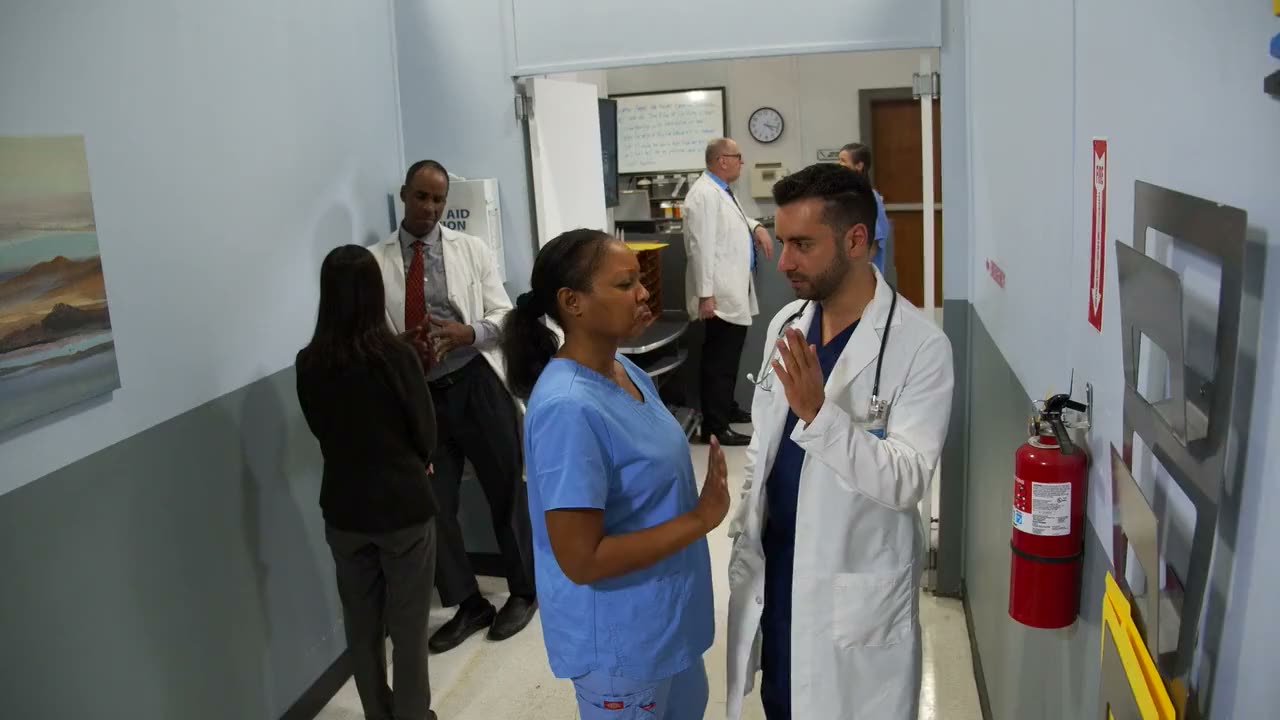
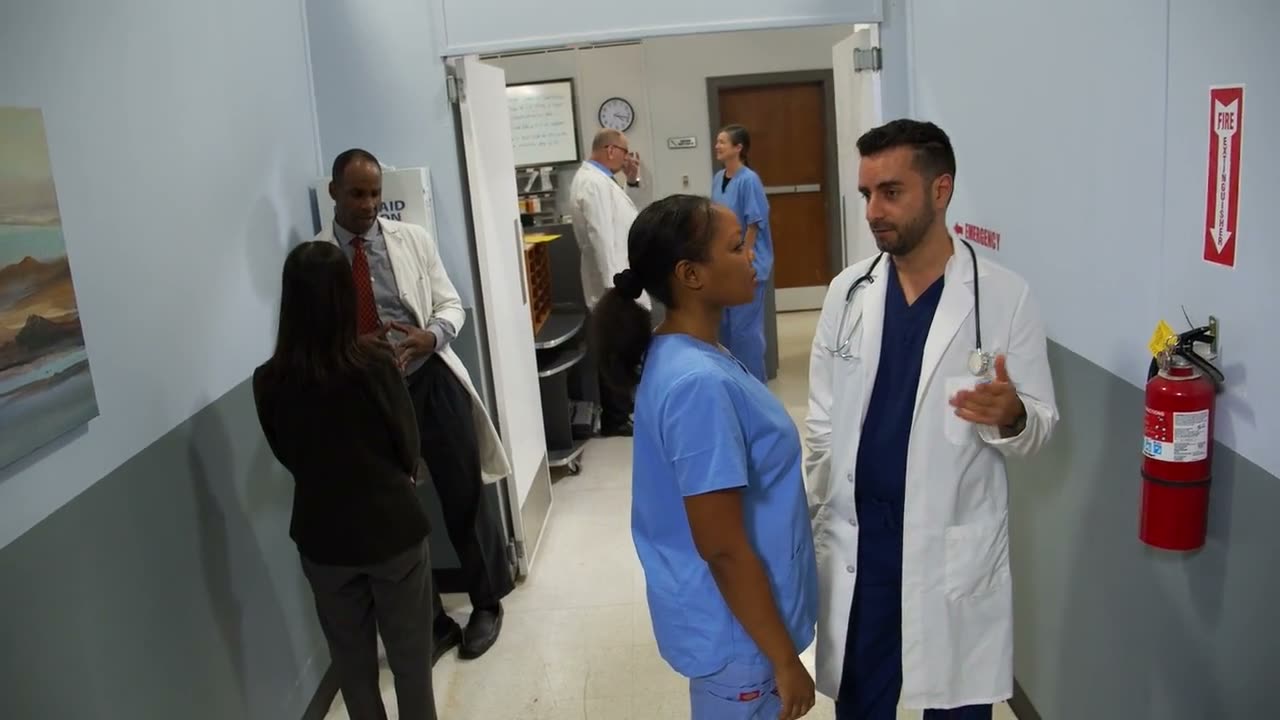
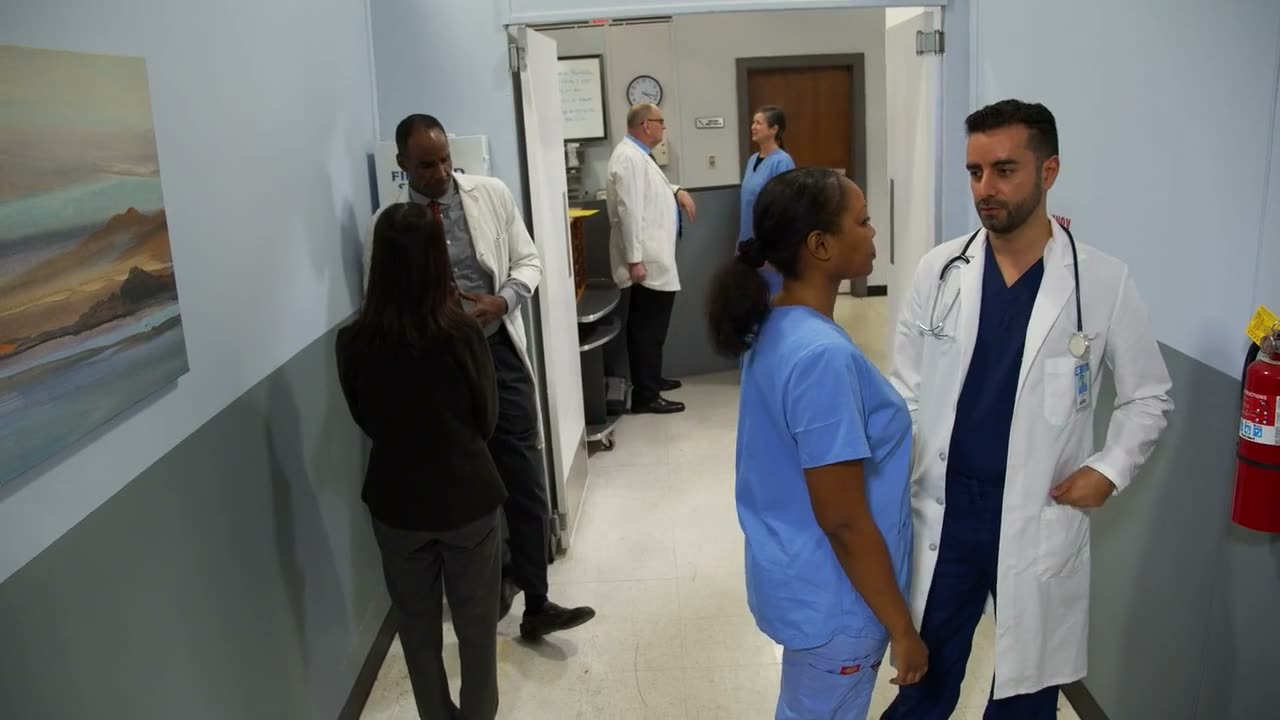
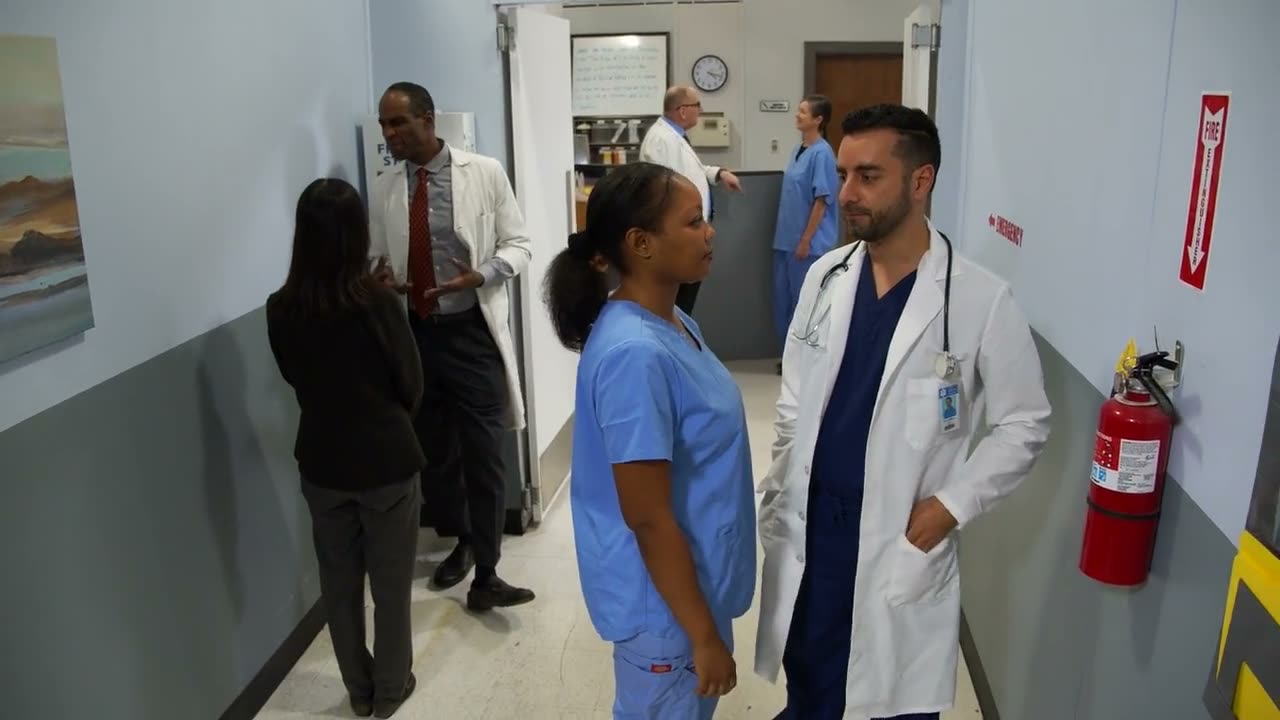
 Presented by IAMNURSE and 1NurseCharles Media
Students don't hear about an overdose. They run one.
An opioid crisis code simulation for middle and high schools, led by an emergency nurse.
It starts like any other day.
A student goes down.
Somebody calls a code.
Two out of three teens who died of an overdose had someone nearby.
CDC MMWR, Tanz et al., 2022Most of the time, nobody knew what to do. Breathe Clear teaches students to be the person who acts.
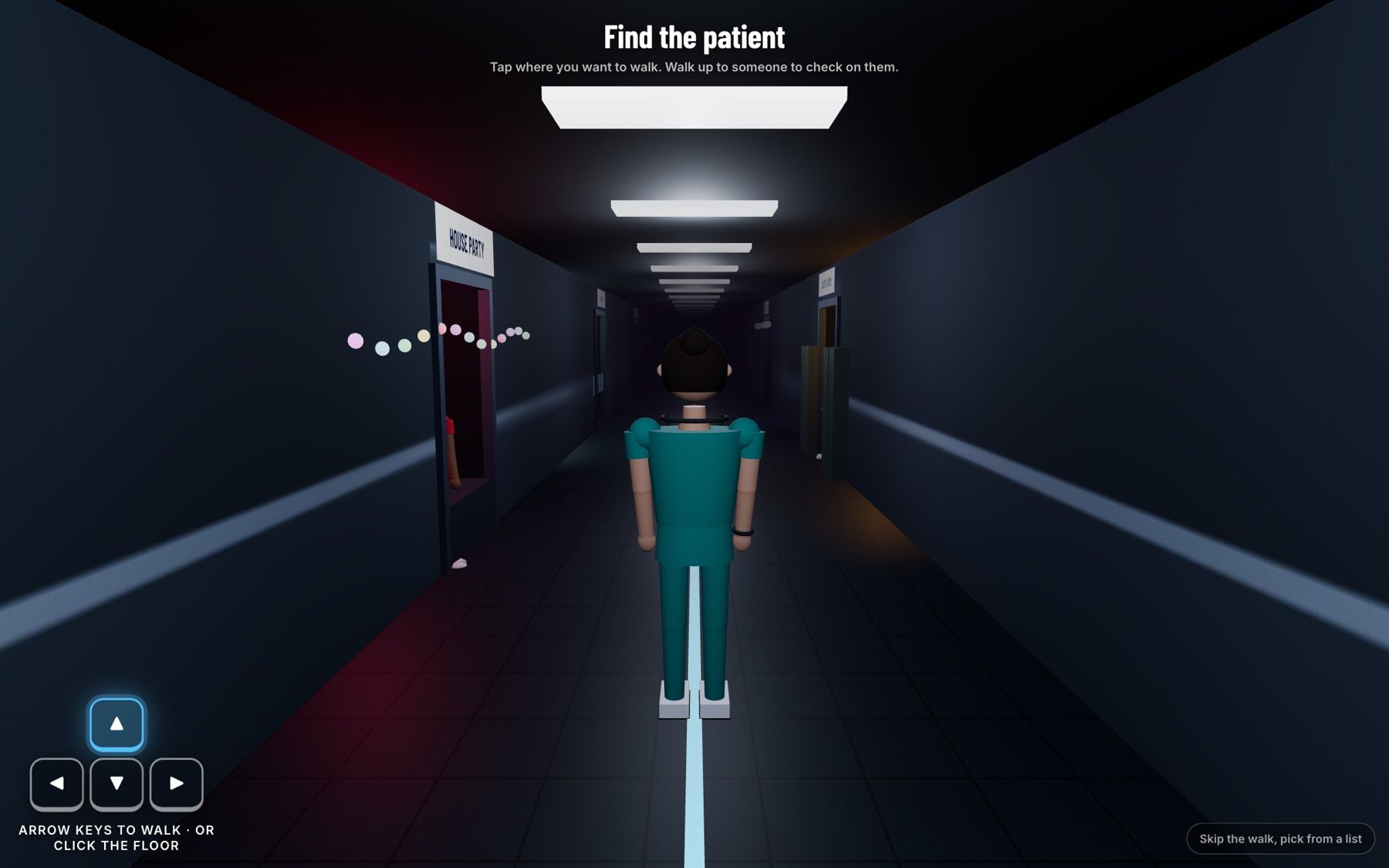
The simulation
A short version of what students see on the wall. Six scenarios, each with ten or more decisions. The clock never stops: it runs while you read and while you hesitate.
How a session works
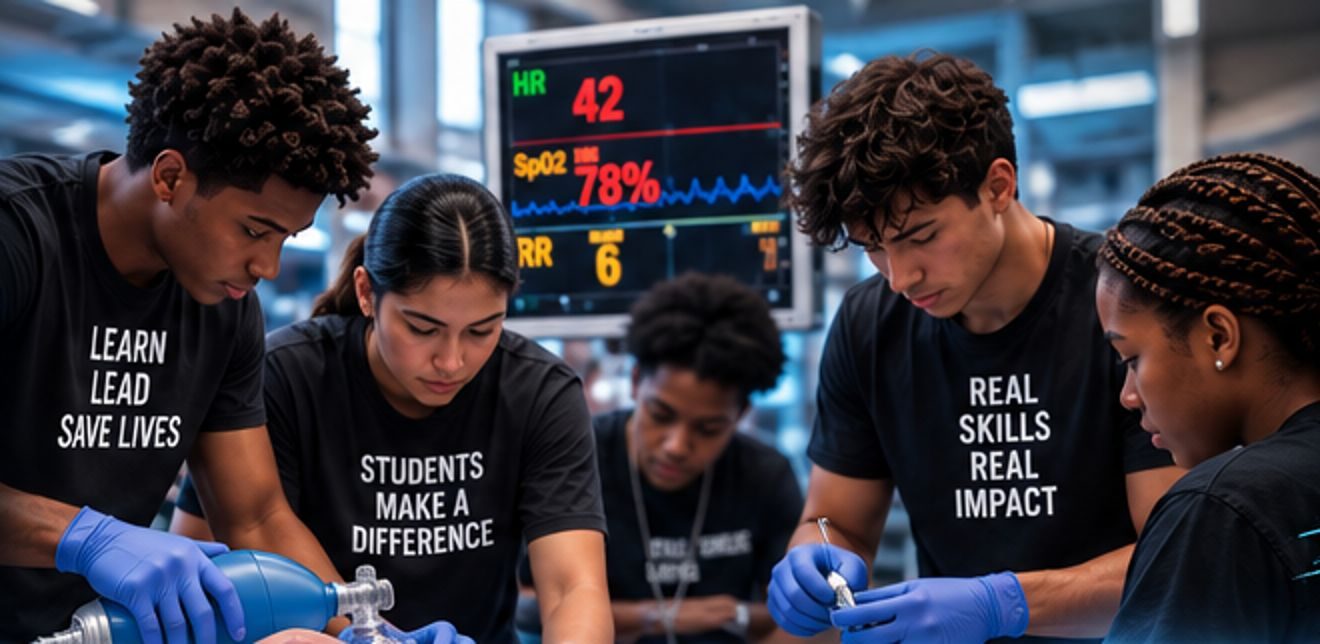
Nurse Charles brings a live patient monitor, training manikins, an AED trainer and naloxone trainers to your school. Then the platform keeps students practicing after we leave.
A full live event. Teams run the code while classmates watch the monitor, then a full debrief with a counselor.
Every student takes a role in the code, from team leader to bystander. Ideal for a health class, team, club or leadership group.
Parent and family workshops, with the family letter and parent guide in English and Spanish.
A live games mode for the classroom is on the way.
What a school gets
The Run a Code platform in any browser, in English or Spanish, with no logins and no student data collected. Teacher guide, student workbook and family materials are included.
Students take a short anonymous survey before and after, and your school receives a report showing what changed.
Live games: coming soon Students will join on their phones with a code on the projector, no accounts.
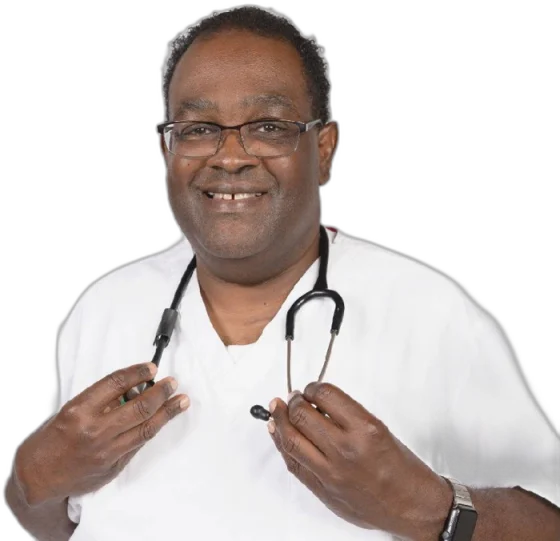
Who runs it
Charles T. Folsom Jr., MHSA, BSN, RN, PMP. Lead facilitator, emergency nurse.
37years in the emergency department, still practicing
Clinical simulation and patient safety. Founder, 1NurseCharles Media; CEO, IAMNURSE.
Where it works
Nurse Charles Media is an approved vendor with two of Georgia's largest districts. Breathe Clear is delivered with Emerson North Consulting, IAMNURSE, eLife Technologies and eCamphor CPR.

Completed prevention sessions for middle school, high school, family and staff audiences. Breathe Clear is rolling out through the district's Counseling Services, with sessions recorded so schools across the county can share them.

Working with district Health Services on an engagement bringing the emergency room into Fulton classrooms and athletic programs.


Pricing
See message for pricing
We tailor sessions to each school's budget and needs.
Questions
Middle and high schools, grades 6 to 12, and the districts, teams, clubs and parent groups around them. Schools in any state can send a request.
A small-group simulation is about 60 minutes for up to 20 students. A full live event is about 90 minutes for up to 120 students. A full school day can hold up to four sessions.
No. Breathe Clear does not lecture and does not scare. Students run the emergency themselves, and a licensed counselor supports them through the stress in real time, then leads the debrief.
A live patient monitor, training manikins, an AED trainer and naloxone trainers. The sequencing follows American Heart Association BLS and ACLS and Emergency Nurses Association TNCC standards.
The platform runs in any browser with no logins and no student data collected. The before-and-after survey is anonymous.
No. Participation does not certify students in CPR. For certification, use an authorized American Heart Association or Red Cross course.
Yes. The platform and the family letter and parent guide are available in English and Spanish.
The Nurse Charles Media team follows up within 48 hours to schedule a call with Nurse Charles and plan the right program. You can also write to partnerships@nursecharlesmedia.com.
Request a session
Request a session with Nurse Charles. Tell us about your school and your students, and the Nurse Charles Media team will follow up to schedule. Schools in any state can send a request.
Prefer email? Write to partnerships@nursecharlesmedia.com
For students and families
The same material students explore after a session, open to everyone.
Straight talk, not scare tactics. What changes, why it matters for school and sport, and what the research still can't say.
Most teens who die of an opioid overdose didn't know they were taking one. Counterfeit pills pressed to look like Percocet, Xanax or Adderall are routinely made with fentanyl.
Start compressions when the person is unresponsive and not breathing or only gasping. Trained rescuers check a pulse for no more than 10 seconds; untrained bystanders don't check at all.
In an opioid overdose the heart stops because breathing stopped. Slow breathing with a pulse: rescue breaths and naloxone. No breathing and no pulse: CPR first, with naloxone alongside it.
A voice coach reads each case out loud and the monitor beeps like a real one. In class, use headphones or play it on the room speakers.
You can switch the voice and sound any time with the buttons at the top of the game.